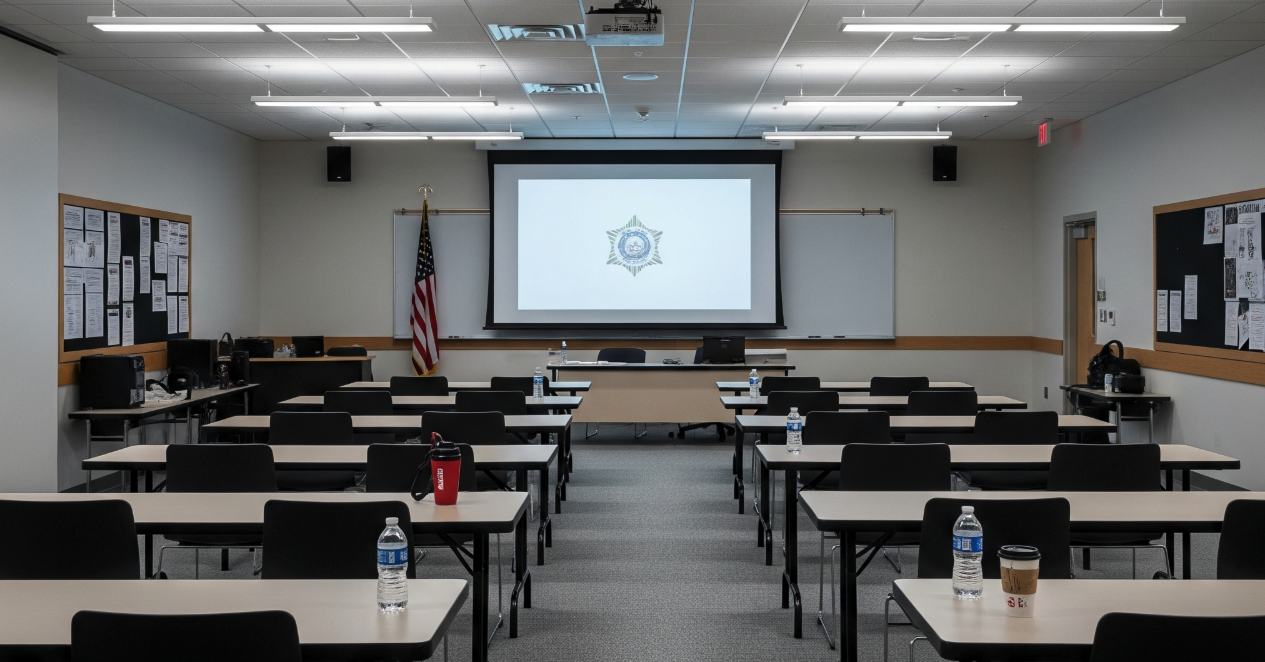

The difference between agencies that fill their academies and those that struggle isn't always money. It's process. It's speed. It's how you handle the candidate journey from the first click to the final offer. Every day of delay, every unanswered text, every confusing application form costs you a candidate. And in today's competitive hiring environment, you can't afford to lose anyone.
The good news? The fixes that move the needle the fastest don't require budget increases. They require smarter systems, automation, and a shift from old-school recruiting to modern candidate management. Let's walk through the seven fastest fixes that will reduce drop-off and speed up your hiring pipeline.
1. Speed-to-Lead: Stop Losing Candidates in the First 48 Hours
When someone fills out your inquiry form at 9 PM on a Tuesday, what happens next?
If the answer is "they get an email within 24 to 48 hours," you're already too late. The first agency to respond wins the candidate. Period.
Speed-to-lead is the single biggest predictor of whether an applicant will move forward. Research across industries consistently shows that responding within five minutes increases conversion rates by 400% compared to waiting even 30 minutes. In law enforcement recruiting, where candidates often apply to multiple agencies at once, this matters even more.
Your fix: Automate instant responses. The moment someone submits an inquiry or application, they should receive an immediate SMS and email confirmation with next steps. Not a generic "Thanks for your interest" message, but a personalized response that tells them what happens next, who will contact them, and when.
Respond Capture's system triggers these responses automatically. No recruiter action required. The candidate feels acknowledged, your agency looks responsive, and you've bought yourself time to follow up personally without losing the applicant's attention.

2. SMS-First Outreach: Meet Candidates Where They Actually Are
Email is dead. Well, not dead, but it's no longer the primary communication channel for most applicants under 40.
SMS open rates hover around 98%, with most messages read within three minutes. Email? Roughly 20% open rate if you're lucky, and that's days later. When you're trying to schedule interviews, send reminders about upcoming deadlines, or follow up on incomplete applications, SMS is the only channel that guarantees your message gets seen.
Your fix: Build SMS into every touchpoint. Application confirmation? SMS. Interview reminder? SMS. Document request? SMS with a direct link. Background check status? SMS.
But here's the catch: you need a system that can send these automatically and track responses. Manually texting hundreds of candidates doesn't scale, and it's easy for messages to fall through the cracks. With Respond Capture's SMS automation, every candidate gets timely, relevant messages without your recruiters needing to remember who needs what and when.
3. Simplify the First-Step Application: Lower the Barrier to Entry
Your full application process might take 90 minutes. That's fine for serious candidates who are deep in the funnel. But that cannot be the first step.
The first interaction with your agency should take less than two minutes. Name, email, phone number, maybe one or two qualifying questions. That's it. Get them into your pipeline, and then you can collect the detailed information later once they've demonstrated interest.
Every additional field you add to that first form increases abandonment rates. Think about it from the candidate's perspective: they're browsing job boards at midnight, comparing agencies. Are they going to fill out a 20-field form for each one? No. They'll do it for the easiest one, and that agency gets the lead.
Your fix: Create a lightweight inquiry form that captures just enough information to follow up, then use multi-step applications to gather details progressively. Respond Capture's landing page builder lets you create these simple forms with built-in conversion optimization, so you're capturing interest fast and qualifying candidates gradually.
4. Always-On Campaigns vs. Hiring Bursts: Build a Continuous Pipeline
Too many agencies run recruiting campaigns in bursts. They open applications for six weeks, close them for four months, then wonder why they have no pipeline when an academy slot opens up.
The best candidates aren't sitting around waiting for your application window to open. They're exploring options, comparing agencies, and talking to recruiters from departments that have always-on campaigns.
Always-on recruiting doesn't mean you're always hiring. It means you're always building relationships, capturing interest, and staying top of mind. Even if you don't have immediate openings, collecting applications and nurturing those leads means you have a warm pipeline ready when slots open.
Your fix: Keep campaigns running year-round with messaging that acknowledges when the next academy starts. Use automated nurture sequences to stay in touch with candidates until they're ready to apply. Respond Capture's campaign management tools let you run continuous lead generation with automated follow-up sequences that keep candidates engaged for months without manual effort.

5. Lateral-Specific Landing Pages and Messaging: Speak Directly to Experienced Officers
Lateral hires and entry-level recruits are not the same audience. They have different concerns, different motivations, and different questions. Yet most agencies use the same generic "Join Our Team" page for everyone.
Lateral officers care about pay, benefits, shift schedules, specialized units, and how quickly they can transfer certifications. They don't need to be sold on law enforcement as a career. They need to know why your agency is better than their current one.
Your fix: Create dedicated landing pages for lateral hires with messaging that speaks directly to their experience. Highlight pay comparisons, signing bonuses, specialty opportunities, and the streamlined onboarding process for certified officers. Include testimonials from other laterals who made the switch.
Respond Capture lets you build multiple landing pages tailored to different candidate segments, then track which messages convert best. You can run targeted ads to lateral candidates in neighboring jurisdictions and send them to pages that address their exact concerns, not generic recruiting copy.
6. Automate Follow-Up and Reminders: Stop Losing Candidates to Silence
Here's where most agencies bleed applicants: the middle of the process. Someone applies, gets an initial response, and then... nothing. Days go by. They email and don't hear back. They move on to another agency that's more responsive.
The average police hiring process takes six to 12 months. That's a long time to keep someone engaged, and it's nearly impossible to do manually at scale. Candidates need regular updates, reminders about upcoming deadlines, and proactive communication about where they stand.
Your fix: Build automated follow-up sequences for every stage of the hiring process. Background check submitted? Send a follow-up in one week with an estimated timeline. Interview scheduled? Send a reminder 48 hours before, then 24 hours before. Oral board completed? Automated update three days later with next steps.
Respond Capture's ATS automation handles these touchpoints automatically. Every candidate gets timely communication without your recruiters needing to manually track hundreds of individual timelines. The result: fewer candidates ghosting you because they assume you've ghosted them.

7. Track Bottlenecks with Recruiter Metrics and Conversion Testing: Measure What Matters
If you're not tracking conversion rates at every stage of your hiring funnel, you're flying blind. You might know you're losing candidates, but you don't know where or why.
The agencies that fill their academies consistently are the ones that obsess over data. How many inquiries converted to applications? How many applications converted to scheduled interviews? How many candidates dropped out during background checks, and at what specific point?
This level of visibility lets you identify bottlenecks before they become crises. Maybe your application completion rate is terrible, signaling the form is too long. Maybe candidates are dropping out after the physical agility test because they weren't properly prepared. You can't fix what you can't see.
Your fix: Implement conversion tracking and recruiter performance metrics. Track every stage, run A/B tests on landing pages and email messaging, and continuously optimize based on real data. What gets measured gets managed.
Respond Capture's analytics dashboard gives you full visibility into your recruiting funnel. You can see where candidates drop off, which campaigns generate the most qualified applicants, and which recruiters close the most hires. Then you can make data-driven decisions to improve performance over time.
Out-Execute the Market
The police shortage 2025 isn't going away overnight. But agencies that adopt modern recruiting systems, automate manual processes, and optimize every step of the candidate journey will win the talent war.
You don't need a bigger budget. You need a smarter process. These seven fixes reduce drop-off, speed up hiring, and help you compete with agencies that have deeper pockets. Because at the end of the day, candidates don't just choose the highest bidder. They choose the agency that respects their time, communicates clearly, and makes the hiring process feel professional and modern.
That's the agency that fills its academy classes. That can be you.
Want to see how these fixes work in practice? Explore how Respond Capture helps law enforcement agencies build always-on recruiting systems that convert more candidates with less manual work.