
You sent the email. Now you're waiting. And waiting.
The applicant who seemed perfect never responded to your follow-up. Another qualified candidate disappeared after the initial contact. Your inbox is full of unanswered messages, and your hiring timeline just got pushed back another month.
Sound familiar? You're not alone. As agencies across the country face the police recruiting crisis, many are discovering that their communication strategy is part of the problem. When applications have dropped by roughly 40% since 2019 and over 70% of agencies report increased recruitment difficulty, every lost candidate hurts.
Here's the uncomfortable truth: your candidates aren't reading your emails.
The Email Problem Nobody Wants to Talk About
Email was revolutionary in the 1990s. Today, it's where communication goes to die.
The average professional receives 121 emails per day. Your carefully crafted recruitment message is competing with password resets, spam, promotional offers, and hundreds of other messages that all look the same in a crowded inbox. Even worse, your emails might be landing in spam folders or getting buried under newsletters the candidate signed up for years ago.
For law enforcement recruitment, timing matters. The hiring process for public safety positions is already lengthy, often taking several months from application to academy. Background checks alone can require 4-12 weeks. When you add communication delays on top of that, qualified candidates move on to other opportunities.
The result? Candidate ghosting. Not because they're not interested, but because they never saw your message in the first place.
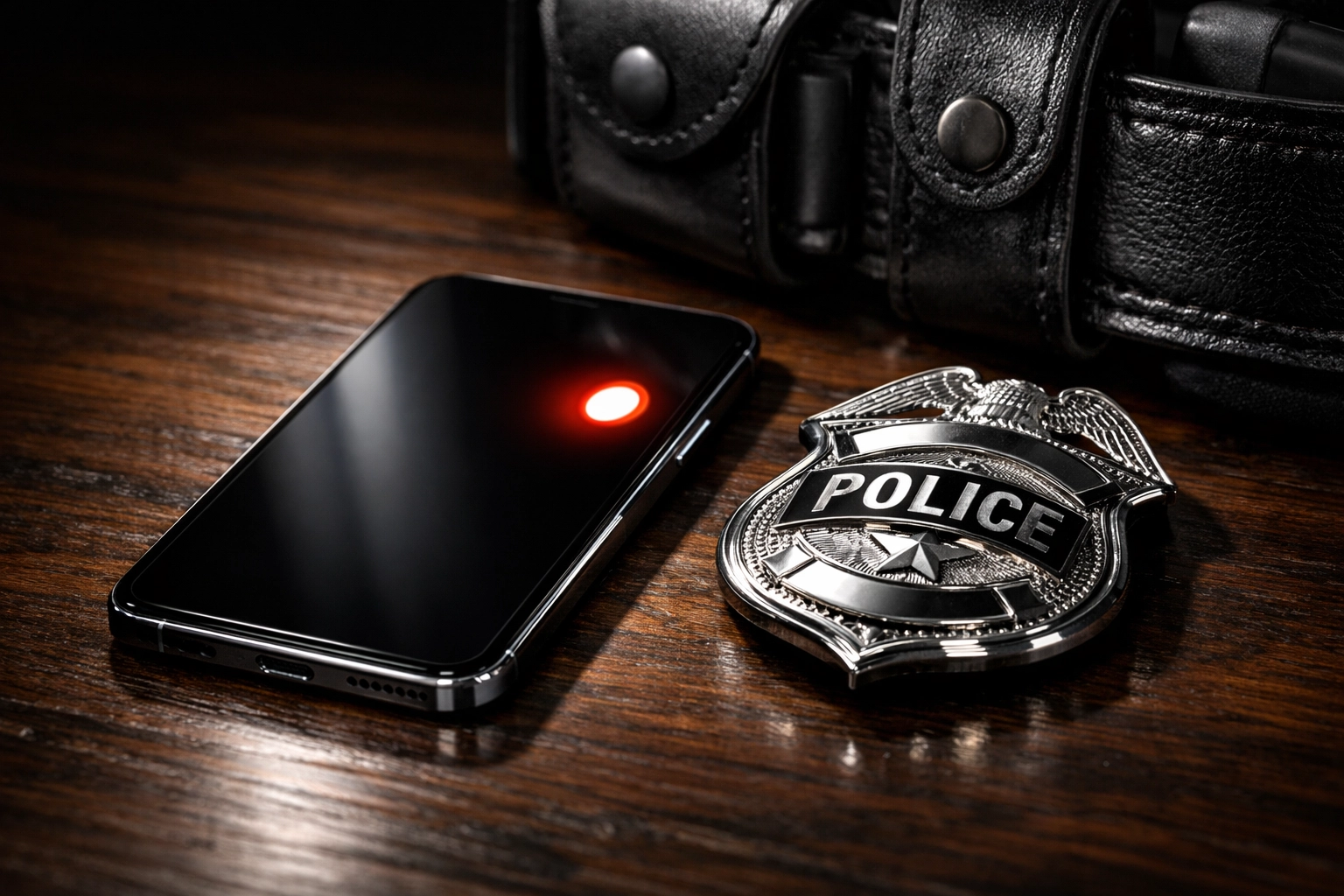
Your Candidates Live on Their Phones
Let's look at who you're trying to recruit. The majority of today's police academy candidates are millennials and Gen Z professionals. These generations don't just prefer mobile communication. They expect it.
The numbers tell the story:
- 98% of text messages are opened, compared to just 20% of emails
- Text messages are read within 3 minutes on average, while emails might sit unread for hours or days
- 90% of people have their phone within arm's reach 24/7
- Response rates to SMS are 7.5 times higher than email
Think about your own behavior. When your phone buzzes with a text notification, you check it immediately. When you get an email notification, you think "I'll check that later" and often forget entirely.
Your candidates are no different. They're checking their phones between shifts at their current jobs, during lunch breaks, and before bed. They're not logging into email clients or refreshing their inbox obsessively.
Why SMS Works for Law Enforcement Recruitment
Text messaging isn't just faster than email. It fundamentally changes how recruitment communication works.
Immediate visibility. SMS messages appear as notifications on the lock screen. Your candidate doesn't need to open an app, log into anything, or search through folders. The message is right there, impossible to miss.
Higher engagement. When candidates can respond with a quick text instead of composing a formal email, they're more likely to actually reply. The barrier to communication drops significantly. A simple "Yes, I'm still interested" text takes seconds. Opening email, finding your message, and crafting a reply takes minutes and mental energy most people don't have during a busy workday.
Better tracking. Modern applicant tracking systems with SMS capabilities let you see exactly when messages are delivered and read. You know immediately if a candidate has seen your communication, unlike email where messages can disappear into the void.
Conversational tone. SMS naturally creates a more personal, less formal communication style. Instead of feeling like corporate correspondence, your messages feel like a real person reaching out. This matters tremendously in public safety recruitment where cultural fit and personal connection are crucial.
How Respond Capture's ATS Turns This Into Results
The Respond Capture platform was built specifically to solve this communication gap. Instead of relying on email-only outreach, the system enables recruiters to engage candidates through the channels they actually use.
Here's how it works in practice:
When a candidate submits an application through your agency's career page, they immediately receive an SMS confirmation. Not hours later. Not the next business day. Immediately. That instant acknowledgment tells the candidate their application matters and sets expectations for next steps.
As the candidate moves through your hiring pipeline, automated SMS touchpoints keep them engaged. Reminders about upcoming deadlines, notifications when their background check status changes, and quick check-ins to maintain interest. All delivered directly to their phone.
The system also allows recruiters to send personalized messages when needed. Instead of drafting formal emails that might sit unread, you can fire off a quick text asking if the candidate is still available for a Tuesday interview or needs to reschedule. Responses come back in minutes instead of days.
The Data Doesn't Lie
Agencies using SMS-enabled recruitment platforms consistently see measurable improvements in their hiring metrics:
Faster time-to-hire. When communication happens in real-time instead of days-long email threads, the entire recruitment process accelerates. Scheduling happens faster, questions get answered immediately, and momentum doesn't stall.
Reduced candidate drop-off. The lengthy hiring process for law enforcement positions means candidates have multiple opportunities to disengage. Regular SMS touchpoints maintain interest and reduce ghosting at critical stages.
Better candidate experience. In surveys, candidates consistently rate agencies higher when communication is responsive and uses their preferred channels. This matters for employer branding in a competitive hiring environment.
More completed applications. SMS reminders about incomplete applications or missing documents significantly increase completion rates. A text saying "We're still missing your college transcripts" gets action. An email about the same thing gets ignored.
Implementing SMS Without Losing Professionalism
Some agencies worry that text messaging feels too casual for law enforcement recruitment. This is a legitimate concern that deserves addressing.
The key is understanding that SMS is a delivery channel, not a communication style. Your messages can still be professional, clear, and aligned with your agency's brand. The difference is where those messages appear and how quickly candidates can respond.
Professional SMS looks like this:
"Hi [Name], this is [Recruiter] from [Agency]. Your background check has been completed and cleared. The next step is scheduling your panel interview. Are you available next week? Reply YES and I'll send you available times."
Not like this:
"hey whats up lol u free 4 interview??"
The tone remains professional. The information is clear. The only difference is the medium and the conversational structure that makes responding easy.
Email Still Has a Place
This isn't about completely abandoning email. Certain communications still work better in email format, including detailed onboarding packets, policy documents, and formal offer letters. These require attachments, formatting, and the ability for candidates to reference them later.
The strategy is using the right channel for the right purpose. Quick updates, time-sensitive information, and conversational check-ins work better via SMS. Detailed documents, formal notices, and information that needs to be archived work better via email.
The most effective recruitment communication strategies use both channels strategically, meeting candidates where they are for each type of interaction.
Making the Switch
If your agency is still relying primarily on email for candidate communication, making the transition to SMS-enabled recruiting doesn't require overhauling your entire system.
Start by identifying the highest-impact touchpoints where communication currently breaks down. Initial application confirmation, interview scheduling, and background check status updates are typically the biggest pain points. These are perfect candidates for SMS communication.
Next, ensure you're capturing mobile numbers during the application process and getting opt-in consent for text communication. This is legally required and also sets clear expectations with candidates about how you'll communicate.
Finally, consider a recruiting platform like Respond Capture that's built specifically for public safety hiring and includes SMS capabilities as a core feature. These systems integrate text messaging naturally into your existing workflow without requiring separate tools or manual processes.
The Bottom Line
The police recruiting crisis requires agencies to rethink every aspect of their hiring process. Communication strategy is one of the most impactful changes you can make with immediate results.
When qualified candidates are scarce and competition for talent is intense, losing applicants to poor communication is inexcusable. SMS engagement through a modern ATS isn't about being trendy or casual. It's about meeting candidates where they already are and removing barriers to engagement.
Your next great officer might already be in your applicant pipeline. The question is whether they'll see your next message.