

The numbers tell the story: the U.S. Forest Service reported over 5,100 unfilled firefighting positions in 2025, representing more than 26% vacancy rates during peak wildfire seasons. Meanwhile, volunteer firefighter numbers have plummeted to around 676,900, continuing a downward trend that shows no signs of stopping.
If you're managing wildland fire service recruiting, you already know the problem. What you need are solutions that work within the compressed timelines and unique demands of this field. Let's break down what's actually going on and how agencies are adapting.
Why Wildland Fire Recruiting Is Different
Traditional law enforcement recruiting is hard. Wildland fire service recruiting? That's operating on a completely different level of complexity.
The seasonal crunch is real. Unlike year-round police recruitment, wildland fire agencies need to identify, vet, train, and deploy candidates before fire season kicks off. Miss that window, and you're understaffed when you need bodies most. This creates a recruiting sprint that runs counter to the traditional "slow and thorough" approach most public safety agencies take.
The work is grueling. We're talking months-long deployments, physical demands that would break most people, and exposure to conditions that lead to PTSD, anxiety, cardiovascular problems, and occupational cancers. The job description alone is enough to filter out candidates before they even apply.
The competition is fierce. Private industries, construction companies, utilities, and municipal fire departments are all fishing in the same talent pool, often with better pay packages, predictable schedules, and less physically demanding work environments.
The Traditional Recruiting Playbook Fails Here
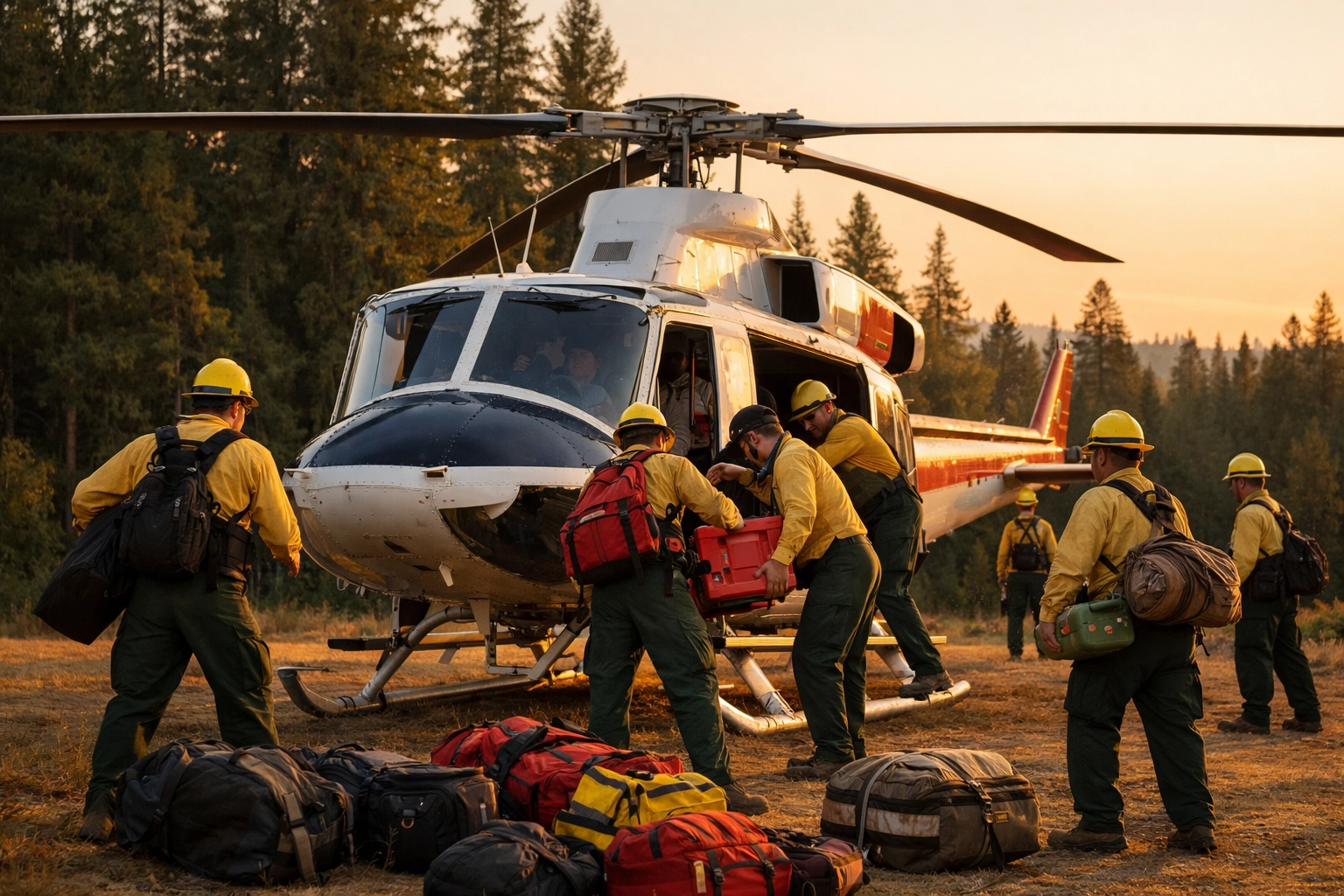
Here's where most agencies get stuck. They try to apply the same recruiting strategies they use for year-round positions to seasonal wildland fire roles. Post a job listing. Wait for applications. Screen candidates. Schedule interviews. Rinse and repeat.
That approach might work when you have 12 months to fill positions. It falls apart completely when you have 12 weeks.
Timing is everything. By the time your job posting gets traction on a single job board, your competitors have already scooped up the experienced candidates. By the time you schedule second-round interviews, fire season is approaching and candidates are accepting offers elsewhere.
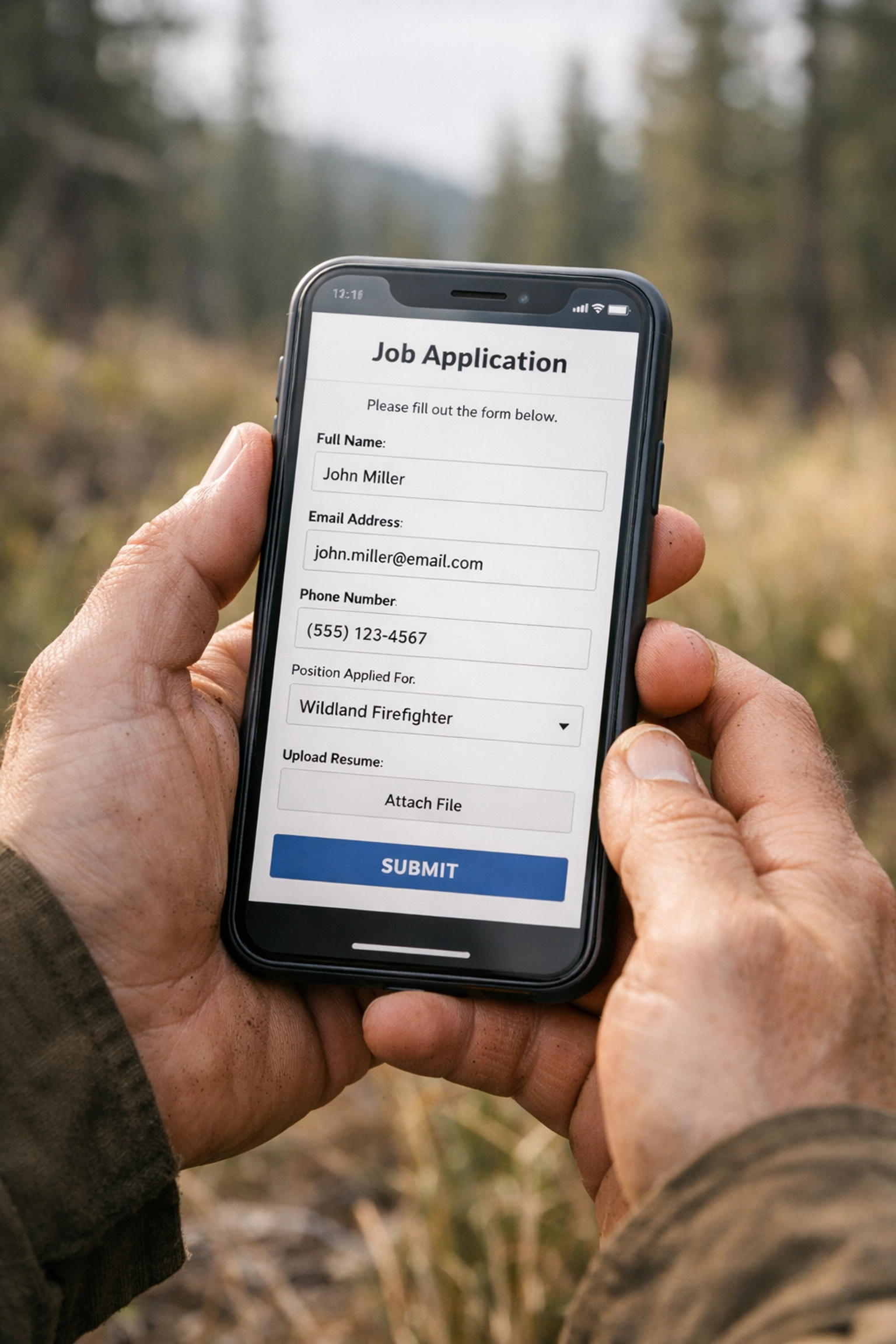
Mobile matters more than you think. Wildland firefighters aren't sitting at desks refreshing job boards. They're in the field, on their phones, scrolling through opportunities during downtime. If your application process requires a laptop and 45 minutes of uninterrupted focus, you've already lost them.
Generic messaging doesn't cut it. These candidates know what they're signing up for. They need to hear about career progression, federal retirement benefits, guaranteed training windows, and improved mental health support. Not vague platitudes about "making a difference."
The 50+ Job Board Strategy
Here's what's working: agencies that are successfully filling positions are abandoning the "post and pray" approach. Instead, they're leveraging specialized distribution networks that push openings to 50+ targeted job boards simultaneously.
This isn't about quantity for quantity's sake. It's about strategic visibility.
Niche boards matter. Wildland fire-specific forums, seasonal employment sites, and outdoor recreation job boards attract candidates who already understand the work. These are your experienced firefighters looking for their next assignment.
Speed creates competitive advantage. When your opening hits 50+ boards at once, you're not waiting for organic discovery. You're creating immediate awareness across the entire candidate pool, before your competitors even get their postings approved.
Aggregation works in your favor. Job seekers don't visit one board anymore. They use aggregators and job search engines that pull from multiple sources. Wide distribution means you appear in more search results, more often.
The Mobile-First ATS Imperative
Let's talk technology. If your applicant tracking system (ATS) wasn't built with mobile-first functionality, you're losing qualified candidates every single day.
The data is clear. More than 60% of job seekers now use mobile devices as their primary tool for job searching. For wildland fire service recruiting, that number is likely even higher. Your candidates are applying from fire camps, crew quarters, and remote locations where a laptop isn't an option.
A mobile-friendly ATS isn't a nice-to-have. It's the baseline requirement for staying competitive.
What mobile-first actually means:
- Application forms that work seamlessly on phone screens
- Document uploads that accept phone photos
- One-handed navigation that doesn't require constant zooming
- Auto-save functionality that preserves progress if candidates lose signal
- SMS notifications that keep candidates engaged without requiring email checks
Speed of response matters too. When a candidate completes a mobile application at 9 PM on a Tuesday, waiting until "business hours" to respond means they've likely applied to three other agencies by Wednesday morning. Automated SMS acknowledgments and next-step communications keep your agency top of mind.
Specialized Marketing Campaigns That Convert
Generic "Now Hiring" ads don't work for wildland fire service recruiting. You need campaigns that speak directly to the motivations and concerns of your target candidates.
Alumni outreach is gold. Your best source of qualified candidates? Former seasonal firefighters who already know the drill. Specialized campaigns targeting this audience with messages about improved pay structures, career advancement opportunities, and the new U.S. Wildland Fire Service (USWFS) consolidation plans generate higher conversion rates than general recruitment advertising.
Municipal wildland professionals are looking. Firefighters currently working in municipal settings with wildland responsibilities often consider federal seasonal work for the experience and career development. Campaigns highlighting federal retirement benefits, training opportunities, and mission variety resonate with this group.
Messaging matters. Campaigns that acknowledge the challenges (long deployments, physical demands, mental health considerations) while emphasizing the solutions (pay modernization, better scheduling, mental health support, career pathways) perform better than those that gloss over reality.
The Consolidation Opportunity
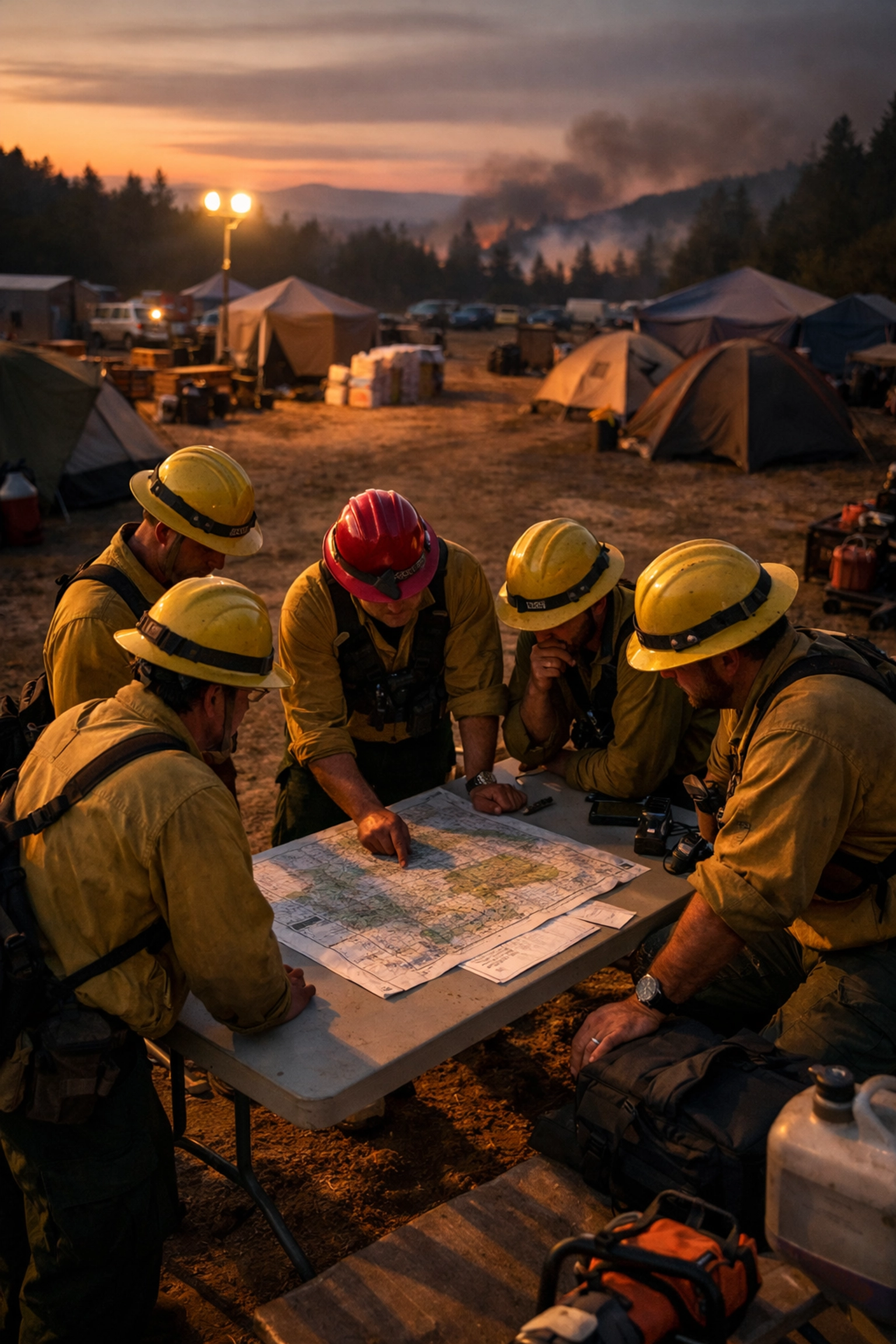
The September 2025 announcement of plans to consolidate federal wildland fire operations into the new U.S. Wildland Fire Service (USWFS) represents a major shift in recruiting strategy. Operations are targeted to begin in 2026, and smart agencies are already incorporating this messaging into their campaigns.
Why this matters for recruiting:
- Clearer career pathways reduce uncertainty for candidates considering long-term careers
- Centralized branding creates stronger identity and esprit de corps
- Unified hiring standards streamline the application process across agencies
- Streamlined training programs reduce redundancy and improve quality
Candidates want to know they're joining something with structure, support, and future viability. The USWFS consolidation provides that narrative.
Pay Modernization as a Recruiting Tool
The Office of Personnel Management's creation of a dedicated wildland pay plan ("GW") with special base rates and 2025 locality tables is more than an administrative change. It's a powerful recruiting message.
For the first time, federal wildland fire agencies can credibly compete with private employers and Tribal fire programs on compensation. This isn't just about the raw numbers (though those matter). It's about demonstrating institutional commitment to valuing this work appropriately.
In your recruiting campaigns, lead with this. Candidates researching opportunities need to see upfront that compensation has been modernized. Don't bury this information on page three of your career website.
Putting It All Together
Successful wildland fire service recruiting in 2025 and beyond requires a complete departure from traditional public safety hiring approaches.
The winning formula combines:
- Wide, immediate visibility through 50+ job board distribution
- Mobile-optimized application processes that meet candidates where they are
- Specialized marketing campaigns with targeted messaging to specific candidate segments
- Fast, automated response systems that keep candidates engaged
- Clear communication about pay modernization and career structure improvements
These aren't separate initiatives. They're integrated components of a modern recruiting system designed specifically for the compressed timelines and unique demands of wildland fire service hiring.
What Happens Next
The federal government is projecting approximately 17,000 federal wildland firefighters needed, with the U.S. Forest Service employing roughly 11,364 and the Department of Interior planning approximately 5,700 by year-end. With vacancy rates above 26%, there's no time to waste on recruiting strategies that aren't working.
If you're still relying on single job board postings, desktop-optimized application systems, and generic recruitment messaging, you're competing with one hand tied behind your back. The agencies that are successfully filling positions have already made the shift to specialized, mobile-first, multi-channel recruiting approaches.
Want to see how this works in practice? Our recruiting calculator can help you model the impact of modernizing your approach. Or reach out directly to discuss how specialized distribution, mobile ATS, and targeted campaigns can help you build the team you need before fire season hits.
The candle is burning. Make sure you're recruiting fast enough to keep up.